Nobody talks about it, but everyone needs to know it. Here’s the no-nonsense guide to peeing, pooping, and managing your period in the great outdoors.
Peeing while standing
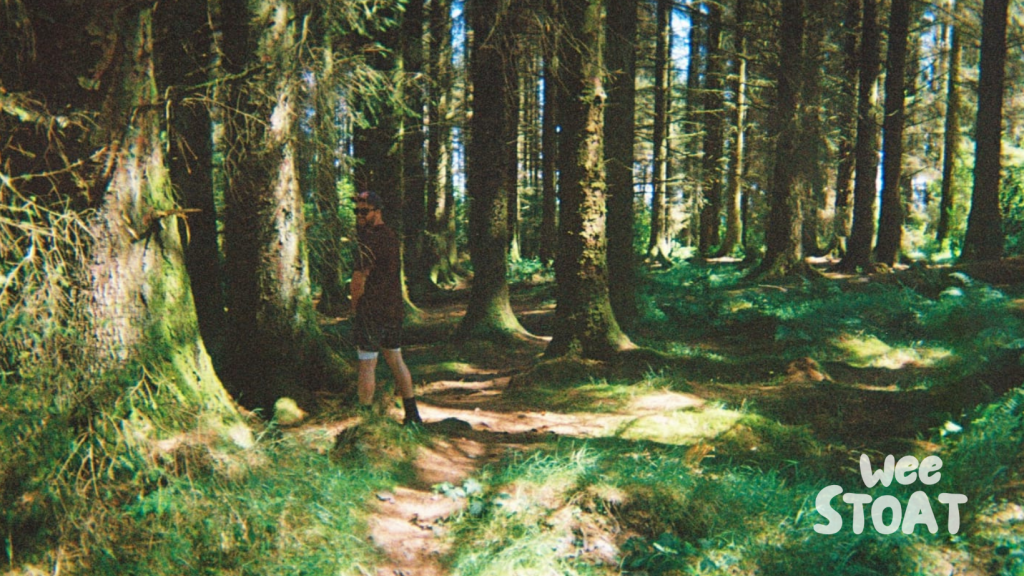
If you usually pee while standing (like my boyfriend, George, in the cover image), the process isn’t much different from using a toilet. Simply choose a private spot away from any water sources and do your thing. Just make sure you step well away from the trail so you don’t accidentally flash innocent bystanders. Woodland is perfect for this.
Peeing while squatting
If you pee while squatting, like me, things can feel quite a bit trickier. Having less control over the urine stream means there’s a risk of getting your boots, gear, or even underwear wet. Squatting with your lower half exposed can also feel inherently vulnerable, and it’s not always easy to get back up gracefully when you’re done.
I used to be so anxious about peeing outdoors that I wouldn’t drink enough fluids just to avoid the whole situation. That changed when I went on a winter skills course with Girls on Hills, where one of the guides taught me a simple squatting technique that made a huge difference.
The squatting technique:
- Squat fully down, adjusting or removing clothing as you go.
- Once stable, shift your weight slightly forward onto your toes and lean your torso towards the ground, as if you’re trying to touch your forehead to the grass. This tilts your pelvis so the urine stream goes behind you rather than straight down.
- Pee, clean up, and get dressed again.
Another option is to use a SHEWEE (or similar device), which is a funnel that allows you to pee while standing. I’ve used one in festival portaloos so I don’t have to sit on them.
Respecting the outdoor code
The usual Leave No Trace principles apply here, along with a few extra considerations specific to toileting outdoors. Always do your business well away from water sources, as other people and animals may rely on them. To avoid contamination, keep at least 60 metres (200 paces) between you and any stream, river, loch, or pool. This might sound obvious, but I regularly see people peeing directly into streams (and cringe every time).
Pooping outdoors
If you need to poop outdoors, there are two responsible options:
- Bury your waste
- Carry it out and dispose of it at home
Burying your waste requires a trowel and a hole around 6 inches deep. That’s a fairly substantial hole, which can take time to dig and isn’t always possible if the ground is hard or rocky.
Carrying your waste is simpler logistically—if you can stomach the idea—and is common practice on many expedition routes, including places like Kilimanjaro and Everest. For this, you’ll need a poop bag (like dog waste bags) and a rigid container, such as an ice-cream tub or Pringles tube, to store it safely. I’ve heard of hikers doing this with great enthusiasm, even weighing their “samples” for fun, but it’s obviously not for everyone.
Menstruating outdoors
Menstruation can add an extra layer of challenge when spending time outdoors. I remember going out of my way to avoid being on my period during the West Highland Way, only for it to arrive early anyway.
Fortunately, there are now lots of ways to manage menstruation outdoors while staying comfortable and hygienic.
Reusable period underwear is a great option. It’s better for the environment, requires no fumbling with products, and creates no waste—you just wear them like normal underwear. Tampons can work well for day trips, but keep in mind they need to be changed regularly (around every 8 hours) to reduce the risk of toxic shock syndrome.
There are also medications that can delay or suppress menstruation altogether. If that’s something you’re interested in, it’s best to discuss it with a healthcare professional.
 wee stoat
Leave a comment